TROPICAL RAINFORESTS: Disappearing Opportunities
Coral Reefs: the Tropical Rainforests of the Sea
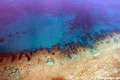
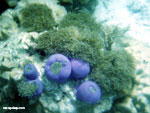
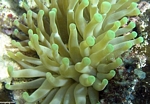
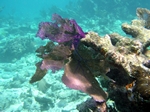
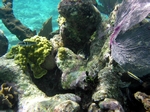
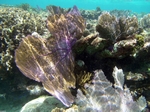
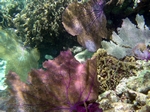
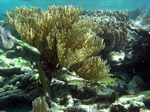
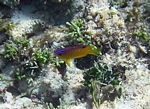
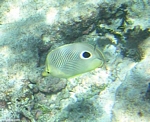
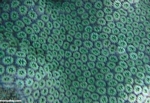
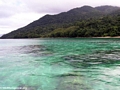
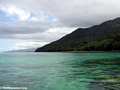
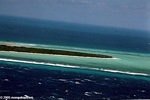
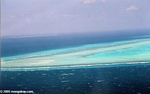
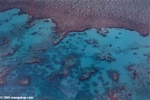
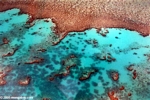
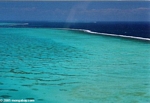
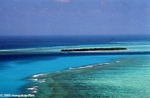
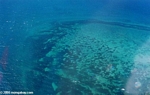
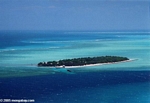
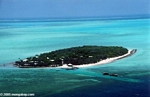
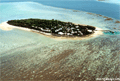
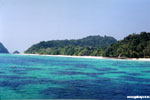
Coral reefs are often called the "tropical rainforests of the sea" for their astounding richness of life. Due to their structural complexity, corals are one of the most productive ecosystems on Earth, providing important services to mankind including fisheries, coastal protection, medicines, recreation, and tourism.Corals are tiny animals that live in colonies and derive nourishment and energy from a symbiotic relationship with zooxanthellae algae. Coral reefs are formed over the course of thousands of years as limestone skeletons constructed by corals accumulate and form a structural base for living corals. Scientists estimate reefs provide a home for millions of species - from brightly colored tropical fish to sea cucumbers which produce anti-cancer compounds.
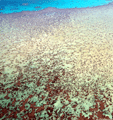
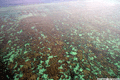
Like tropical rainforests, coral reefs are imperilled by human influences. Coral reefs are particularly fragile ecosystems, partly due to their sensitivity to water temperature. When corals are physiologically stressed - as is the case when water temperatures are elevated - they may lose much of the their symbiotic algae, an event known as "bleaching." Corals can recover from short-term bleaching, but prolonged bleaching can cause irreversible damage.
In 1998, when tropical sea surface temperatures were the highest in recorded history, coral reefs around the world suffered the most severe bleaching on record. 2002 was even worse: nearly 60% of the 135,000 square mile Great Barrier Reef suffered some bleaching. It is estimated that even under the best of conditions, many of these coral reef ecosystems will need decades to recover.
Although reefs face other threats from pollution, industrial activities, overfishing, siltation, cyanide and dynamite fishing, and anchors, it is global climate change that most concerns scientists.
RECENT ARTICLES
- Coral reefs decimated by 2050, Great Barrier Reef's coral 95% dead November 17, 2005
Australia's Great Barrier Reef could lose 95 percent of its living coral by 2050 should ocean temperatures increase by the 1.5 degrees Celsius projected by climate scientists. The startling and controversial prediction, made last year in a report commissioned by the World Worldwide Fund for Nature (WWF) and the Queensland government, is just one of the dire scenarios forecast for reefs in the near future. The degradation and possible disappearance of these ecosystems would have profound socioeconomic ramifications as well as ecological impacts - Caribbean reefs suffer severe coral bleaching event December 20, 2005
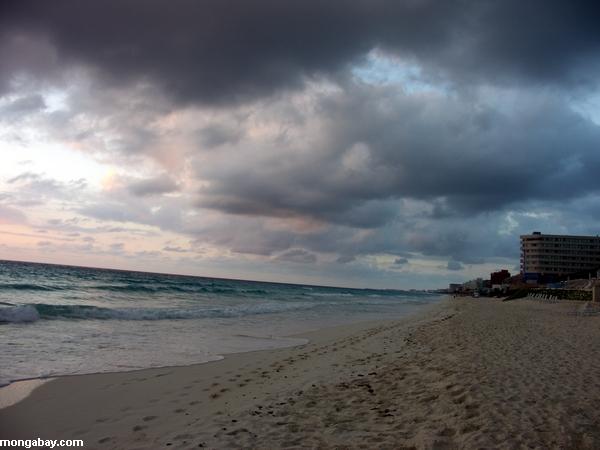
The Caribbean experienced one of the most devastating coral bleaching events on record during September and October while hurricanes battered the Gulf of Mexico. In response, NASA and National Oceanic and Atmospheric Administration (NOAA) have sent a team to assess the situation. - Dubai's artificial islands have high environmental cost August 23, 2005
Dubai, a city-state in the United Arab Emirates with a population of around one million, would be one of the world's smallest but wealthiest countries on its own thanks to the oil wealth of its inhabitants. In addition to its penchant for acquiring records for the Guinness Book of World Records, Dubai has lately embarked on an ambitious plan to boost its international standing in the eyes of the world's rich (and its neighbors) by building a number of artificial islands. These islands, which will house luxury residences, villas, and hotels, are a growing concern for environmentalists due to their impact on the local marine ecology. Dubai should be concerned as well for the long-term viability of the plan -- rising sea levels from global climate change could spell trouble for its audacious and ostentatious investments. As Earth Island Journal puts it, "How ironic that the very people who drive rising sea levels through their businesses, which emit much of the world's greenhouse gases, will undoubtedly be some of the first to experience the devastating effects of climate change."


Continued: Extinction